


Summary
In this episode of On the Brink with Andi Simon, Lisa Woodruff, founder of Organize 365, shares a powerful reframe of what it means to be organized. Moving beyond clutter and to-do lists, she explores how organization is a learnable skill that can reduce “overwhelm”, improve time management, and create space for purpose and meaning. Drawing on her research in applied psychology and years of hands-on experience, Lisa introduces practical systems to manage the “invisible load” of daily life, treat your household like a business, and redesign your routines for greater productivity and well-being. This conversation offers valuable insights for anyone navigating life transitions—including retirement—who wants to regain control, build better habits, and create a more intentional and fulfilling life. How are you going to manage organizational chaos in your home? Listen in and learn more.
The Real Problem: We Know Organization Matters—But Don’t Know How
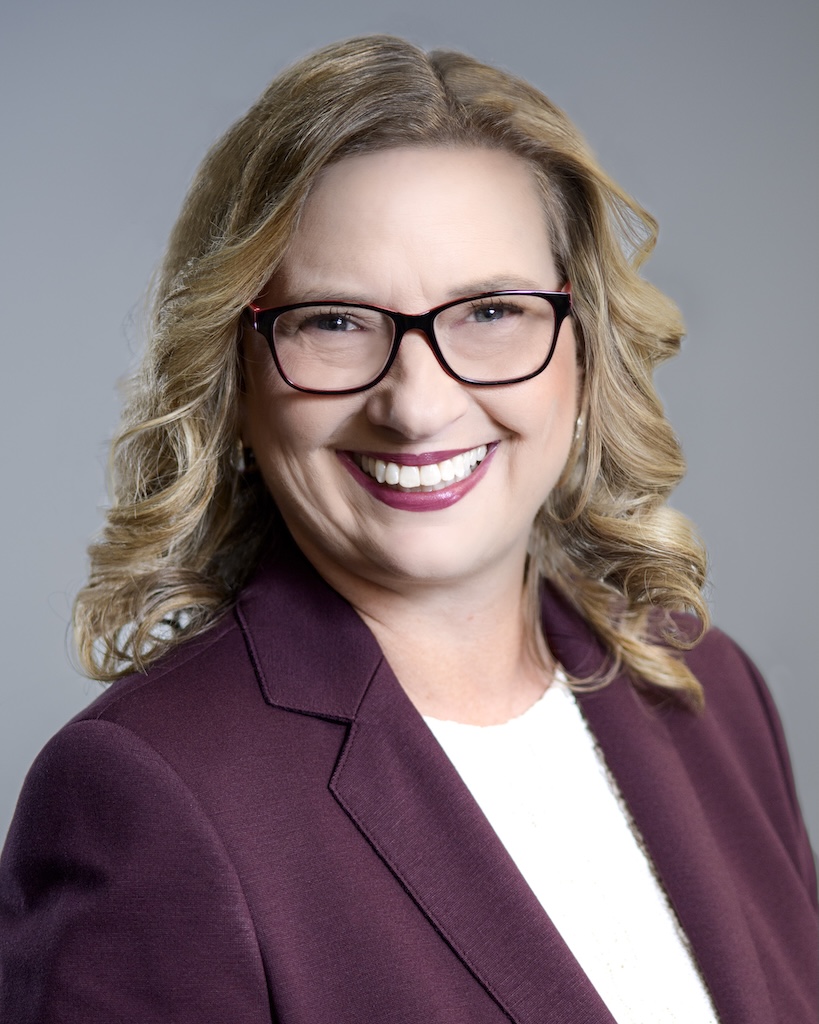
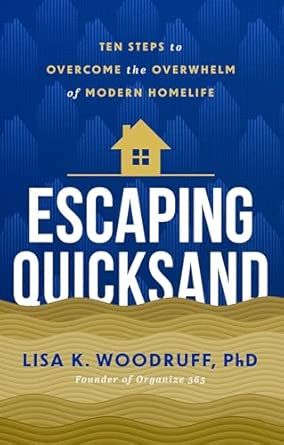
In this episode of On the Brink with Andi Simon, I had a fascinating conversation with Lisa Woodruff, founder and CEO of Organize 365 and author of Escaping Quicksand. What began as a discussion about organizing quickly became something much deeper: a rethinking of how we live, work, and care for ourselves across every stage of life.
Because organization, as Lisa shows us, isn’t about tidying up—it’s about reclaiming your time, your energy, and ultimately, your purpose.
Lisa shared a powerful statistic:
87% of Americans believe organization is a learnable skill—but fewer than 18% feel they are organized.
That gap is where overwhelm lives.
Most people think the goal is to “get everything done” so they can relax. But Lisa reframes the problem entirely:
The real question is: how do we manage our households as the economic and operational systems they truly are?
This is where her work becomes transformational.
Your Home Is an Enterprise—Eliminate Organizational Chaos
One of the most important insights from our conversation is this:
Your household is not just a home—it is an economic entity.
You manage:
- Finances
- Operations (maintenance, food, logistics)
- People (family, caregiving, relationships)
- Strategy (planning, scheduling, life transitions)
Yet unlike in business, no one trains us to run it.
Lisa’s solution? Treat your home like a business—and yourself like its CEO.
That mindset shift alone can begin to reduce chaos and create clarity.
The Hidden Burden At Home: The “Invisible Load”
Lisa’s research in applied psychology focuses on something many people feel but struggle to name:
The invisible load.
It’s not just the tasks you do—it’s everything you carry mentally:
- The reminders
- The planning
- The unfinished decisions
- The constant “don’t forget” loop
This is what creates anxiety and overwhelm—not just the physical work.
Her tools, like the “Sunday Basket,” are designed to externalize that mental clutter—turning chaos into systems you can actually manage.
Organization Is Not About Perfection—It’s About Capacity
One of the most liberating ideas Lisa shared is this:
You don’t organize to get everything done.
You organize to create space for what matters most.
When systems are in place:
- You reduce rework
- You stop constantly reacting
- You gain time back
And that time becomes capacity—to think, to rest, to create, to connect.
The Mindset Shift That Changes Everything: Redefining Self-Care
Perhaps the most powerful moment in our conversation was Lisa’s redefinition of self-care.
Today, we often think of self-care as:
- Spa days
- Time off
- Small indulgences
But Lisa reframes it completely: Self-care is caring for yourself the same way you care for others.
That includes:
- Physical well-being
- Emotional support
- Intellectual growth
- Spiritual and relational connection
Her own example? Going back to earn a PhD—not as a luxury, but as an act of self-care.
This is a profound shift—especially for women who have spent years prioritizing everyone else.
Why This Matters for Retirement (and Every Life Transition)
As I listened to Lisa, I couldn’t help but connect her insights to my work on Rethink Retirement.
Because what happens when people retire?
They lose:
- Structure
- Identity
- Daily rhythms
- Community
And suddenly, without systems or habits, they feel lost.
Lisa’s work offers something critical:
A way to rebuild structure intentionally—before or after major life transitions.
Whether you are:
- Raising children
- Running a business
- Caring for aging parents
- Entering retirement
The need is the same:
You must design your life—not drift through it.
Where to Begin: Simple, Practical Steps
Lisa offers a refreshingly realistic starting point:
- Acknowledge the scale of what you’re managing
You are running a complex system—give yourself credit. - Start small—but stay consistent
Even 20 minutes a day creates momentum. - Focus on systems, not perfection
The goal is progress, not a perfect home. - Invest in your future self
Every small act of organization today reduces stress tomorrow.
This conversation is not just about organizing your home.
It’s about:
- Taking ownership of your time
- Designing your daily life
- Creating space for meaning and purpose
Or, as Lisa so beautifully puts it:
“Invest today in what you want to have tomorrow.”
Key Takeaways
- Organization is a learnable skill—but most people are never taught how to do it
- Your household functions like a business—and needs systems to operate effectively
- The biggest source of overwhelm is the invisible mental load, not just physical tasks
- Self-care is not indulgence—it’s essential, holistic care for yourself
- Structure and systems are critical, especially during life transitions like retirement
- Small, consistent actions can create exponential improvements in your life
To Learn More About Lisa Woodruff:
Lisa’s profile: linkedin.com/in/lisawoodruff
Website: organize365.com (Company)
Connect with me:
- Join my Substack Newsletter Rethink Retirement
- Website: www.simonassociates.net
- Book Website: www.andisimon.com
- Email: info@simonassociates.net
- Learn more about our books here:
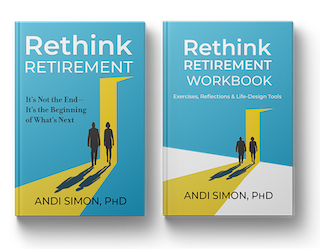
Now–it is time to share our new book with you!
Rethink Retirement: It’s Not The End–It’s the Beginning of What’s Next
Out on Amazon and WalMart, and in your local bookseller and Rethink Retirement: The Workbook
Listen + Subscribe:
Available wherever you get your podcasts—Apple, Spotify, Stitcher, YouTube, and more. If you enjoyed this episode, leave a review and share with someone navigating their own leadership journey.
From Observation to Innovation,
CEO | Corporate Anthropologist | Author
Simonassociates.net
Info@simonassociates.net
@simonandi
LinkedIn
Here is the complete text:
Andi Simon 00:00:02 Welcome to On the Brink with Andi Simon. Thank you for joining us today. I’m Andyi and as you know, my job is to get you off the brink. I want you to see, feel and think like an anthropologist, like I am in new ways so that you can tackle today’s challenges with a fresh perspective. The times they are changing, they always have been. But this is an important time for you to get organized so that you can begin to find a life that’s really full of significance and meaning purpose. And you can be much happier, not just simply successful, but finding a balance in a life that’s full of stress. Are you taking care of your family, your elders? Your parents? Perhaps your kids? Perhaps friends? Things are going through tremendous changes in the office. You need a plan to figure it out. So I have with us today a wonderful woman, Lisa Woodruff. Lisa is here to tell you about her approach to organizing and finding the ways that organizing yourself can open up enormous opportunities for you.
Andi Simon 00:01:09 It isn’t simply something to do, it’s something to transform the way you do things. And Lisa is smiling. And for those of you who are listening, she has a lovely smile. But now I’m going to read her bio ever so shortly, because I think she’s got a great story to tell. Lisa is the founder and CEO of organize 365. Now, this is over a decade old, and so she’s really homed in on what this business should be about. She says that 87% of America believes organization is a learnable skill, and it can add great value, but less than 18% of Americans feel they are organized. That sounds like we know we should be, but we don’t. So through Productive Home Solution course, Lisa aims to teach Americans, young and old, the skill of organizing and unlocking their time for what they are uniquely created to do. She is the host of the top rated organizing 365 podcast, which has 23 million downloads and counting, which is truly extraordinary. Alisa shares strategies for reducing the overwhelmed, clearing the mental clutter, and living a productive and organized life.
Andi Simon 00:02:20 So today we’re going to talk about how to get significance, purpose, meaning into some order so that you can perhaps be successful in the business world and in the home life as well, but also have a good life. And this doesn’t matter how old or young you are, how old are young, your kids or your parents are? This is about us. How we can take charge. Lisa, thanks for joining me.
Lisa Woodruff 00:02:46 Thank you so much for having me.
Andi Simon 00:02:48 It’s a pleasure. Help us help others create the kind of solution so that they can have a happier, organized, productive life. Because you have a new book out called Escaping This Quicksand. It’s behind you there. And I have a copy right here, and it’s called Escaping Quicksand. Really interesting book. Something that each of you should get Ahold of because she has written. That’s her sixth book. And as an author, it is not easy, but she has a story to tell. Let’s start with her own story. Talk about your own journey.
Andi Simon 00:03:21 How did this all come about? Please?
Lisa Woodruff 00:03:23 Well, I love that you’re an anthropologist, because when I think about my story, I think about it in layers, and I think about it in decades, and how I’ve really been observing the households that I’ve been a part of and households I’ve had the opportunity to be in. And now I’m taking all of those observations and turning them around and creating some systems and structures we’ve been missing. So going all the way back, the first decade of life, I just kept praying my mom would have more kids. I had a sister, I wanted more kids in this household, and my dad was from a large Irish Catholic family. He was the oldest of six kids, so I loved being in that big, rambunctious household. they had me quite young. So he still had siblings at home that were, you know, going to school when I was little. And I just loved to be inside of that big household. Then in my next decade, as soon as I was 12 and I was able to, I got my Red cross babysitting course license and I started babysitting.
Lisa Woodruff 00:04:16 So again, I was in a bunch of different people’s homes, went to college, got an early childhood degree, and I was a preschool teacher in my 20s. And in our preschool program, we did home visits. So again, I went to all those homes and saw the homes of the children who were mostly disadvantaged and qualified for free preschool. And then finally, we adopted our children. And I had a decade in my 30s of being a stay at home mom, which is all I ever wanted to be. And then all of a sudden, I was getting ready to turn 40, and I needed to make more income than I’d been making in my little side hustles. And I was trying to think like, what am I uniquely gifted and created to do? Like, all I ever wanted to be a stay at home mom. And these kids were now in middle school, and I really had not thought about my life beyond 40. And so I really looked back over the last 40 years, and I thought about some of the other things that I had learned, like I had watched my mom in second grade.
Lisa Woodruff 00:05:09 She had gone off to New York with a credit card, bought some samples, came home, started a business, sold it when I was in eighth grade, like I watched entrepreneurship. my parents were self-employed, so I watched people being self-employed. So at 40, I just decided to start organized. 365 I decided to build something that would be my own. I had no idea how big it would get. I had no idea how I’d make money. So I started blogging, and within a couple of months I found out I was in-home professional organizer. Someone labeled me as that. I’d been charging to organize in people’s homes. Once I knew what it was, I was like, oh, I set out and I started to organize homes in Cincinnati. And as I organize homes over the next six years, both myself and with a team, ultimately, I learned that the homes in Cincinnati are pretty much all the same. cookie cutter houses. We don’t have a lot of different kinds of houses in Cincinnati.
Andi Simon 00:06:00 You’re so funny. I don’t want to interrupt you, but that is a really funny observation. You are an anthropologist at heart.
Multiple Speakers 00:06:06 Oh, they’re all right. They’re all the same.
Andi Simon 00:06:10 Are they all messy? Also and disorganized?
Lisa Woodruff 00:06:13 Well, what I found was the systems that you set up in certain decades didn’t work in other decades. Like, I’ve lived in my home for 30 years, but it’s functioned very differently. So I started to get a lot more learning. And along there, I realized that organization was a learnable skill because my clients were learning it. So I started a podcast to teach organization to people who either couldn’t afford a professional organizer or didn’t have one next to them. So I started the podcast, and in that learning, I realized that you know what. We don’t have any school supplies or office supplies for the household like we do at school and work. And so I realized that I had created my own in my stay at home mom years. I’d created a Sunday basket.
Lisa Woodruff 00:06:50 I’d created a system, a 52 week system for maintaining my household. So I created those into courses, trademarked, patented and manufactured those products. And then as I turned 50, I got bored again because the company was profitable and it was growing and my kids were now launched. And I was like, oh, what am I going to do with all my time? So I decided to go back and get a PhD. I’ll be done in two months. So I’ve been applied. Thank you. I’m an applied psychology PhD because I now know as an academic these great, things that we invent as entrepreneurs, as business owners, are awesome during our lifetime. But if you really want things to last beyond your lifetime, they need to go into academia. So really, what we understand as far as efficiency in the households, the last psychologist to really explore that was in the 30s, 40s and 50s, and that was Lillian Gilbreth, the cheaper by the dozen lady. And so I would really like to have the things that I’m learning that are making marked improvements in Americans lives, tested in academia, and then ultimately written about and captured so that they could benefit generations to come.
Andi Simon 00:07:53 Isn’t that cool? So we are doing a podcast today that will become part of your archive to help generations to come. That is really interesting introduction. I must tell you, after 468 of these, I have not had one like that. Your purpose is not simply to help people get organized. It’s really to help generations begin to understand. Now let’s talk about what you’re learning. What are the benefits of being organized? You know, what’s the problem that we’re trying to solve in better understand? Because I think you’re at the heart looking at a problem that’s sort of wandering around without much focus. What are you thinking?
Lisa Woodruff 00:08:32 Yes. So what I’m thinking is, the problem we think we’re solving is how do we get all the housework done so we can have some time to go have fun? And the problem that we actually should be solving is how do we treat the household like the economic entity that it is? 68% of U.S. GDP is household spending. We are an economic entity. How do we organize all of the different departments? It’s not just housework; it’s also household management and planning and maintaining your household and seasonal preparation.
Lisa Woodruff 00:09:02 Like all those things, we’re just trying to get out to do list done as fast as possible because maybe it won’t replenish. It’s of course going to replenish. But if you could put some systems in place and get your household organized for the phase of life, you’re in, then it reduces all the rework and the overwhelm, and you actually can come home and go, I’m home now. It’s going to take a little bit of time in order to get your house organized. It won’t happen in a weekend or a month. It usually takes 1 to 3 years, but once you get it all the way organized, you really do have a lot more time, which opens up your capacity for whatever you’re uniquely gifted and created to do, or whatever you want to do.
Andi Simon 00:09:38 this is now this. I’m assuming you, without realizing it, were practicing this when you were younger, had kids at home, and were realizing that, just running through the day with the equivalent of the inbox driving you. Was driving you, but you were out of control, am I right?
Lisa Woodruff 00:09:58 Absolutely.
Lisa Woodruff 00:09:59 I noticed this even when I was babysitting in houses. You know, the families I was with would stay out late. The kids would have gone to bed. So I would organize the toys. I would organize different spaces in their household. And they just they loved that. Or when I was a stay at home mom, I would go on playdates and we would, you know, I would organize spaces in my friends’ houses, and they would talk about how much time it saved them and how much nicer it was to have those spaces organized. And like you said that inbox. So the physical organization is something we totally understand. But that mental inbox and that to do list often that to do list just captures the things we need to do, but not all the pieces of the project. So when my kids were little six months into, I created the Sunday basket that I later manufactured and sold and still do 15 years later. I patented that. And it really is that inbox, that physical inbox on the kitchen counter that captures not only the two dos, but all the stuff that goes along with it, the form that needs to be filled in, the prescription that needs to be refilled, the library book that needs to be returned, the Amazon order that needs to be returned, all of those things.
Andi Simon 00:11:01 And did you find that people were simply not systematic in how they were doing? I’m trying to think of it and apply it to my own life. But were they just simply chaotic and did it occasionally in different ways or they needed, you know, if you were in business, and we work with business to help them, in fact become better businesses. And you look at the way people get things done, being an anthropologist, I hang out and watch you did the same. And then you try to give them a process that would streamline what was happening, make it more, recognizable. So different people coming in there could add a, a job, could take away a job, could begin to change the way the jobs were being done. The culture was how you got things done and what you believed in and to be good. And so in the home, or wherever women are, they need a hand. Getting that all systematized and organized. If not, they just get it done or don’t get it done and they forget about getting it done.
Andi Simon 00:12:05 This is so cool. And so talk to us about the different pieces that you’ve put together, because you’ve got not just your books, but these tools. And I love the idea of the Sunday basket in the 52 weeks. You know, let’s get a little concrete here. What kinds of stuff do you really do?
Lisa Woodruff 00:12:21 Yeah. Okay. So this is great. Let’s apply it to business. So in business you’re going to have marketing. You’re going to have sales. You’re going to have operations. You’re going to have finance. And you wouldn’t say to the finance person, I want you to go do marketing, right. Or the marketing person, I want you to go to finance. But at home we don’t have that luxury. We have to do all of the departments. So in the Sunday basket there are different, slash pockets, which are binder inserts that just go inside of the box and they have different colors to them, and they’re like different departments. So we have the blue color, which is the people.
Lisa Woodruff 00:12:48 So yes, people live in this house. And your dog. That could be a person to the animals live in this house. They need to be fed. They need to be clothed. They have activities, they have all these things related to them. So we think about people. Then we have purple, which is your house. Maybe you rent, maybe you own. Is there a maintenance that needs to be done? Are you going to do a remodeling job? When is it time to change the batteries in the smoke detector? Do we need to get a new vacuum? That’s all household related things. Then we have pink. That’s us. Like what about our you know, this is our home. This is where we grow and develop. Are we still enriching ourselves and our personal and professional development? And then we have green, which is are the finances like we all have to file a tax return? Like there is a financial element to running a household. You’ve got bills to pay. All of these things are related to those different colors.
Lisa Woodruff 00:13:32 So those are the invisible work that I have inside of the Sunday basket. Now, in addition to that invisible work, that cognitive load that we have in the Sunday basket, we have the 52 week cycle. So, you know, in business that like a week in November is different than a week in July, is a week different than a week in February. Same at home. You have a different energy. You have a different time availability, different holidays, all of those things. So as you think about the 52 weeks, that’s the productive home solution. How can we put the maintenance and the organization of the household and the physical organization on an annual schedule, so that we know that everything gets touched at least once? Then there’s the information management. I call this the paper solution. This is cleaning out your file cabinet, putting it into binders so that you can take it where you need it, when you need it, and so everyone can access the same information, so they don’t keep using you as their personal Google.
Lisa Woodruff 00:14:22 And then the last thing that we do is a trimester planning day. So I take two days every four months to help us plan the next four months. What are the holidays? What are the seasonality? What are the birthdays that are coming up? Where are the activities that need to be done in the household, just like you do quarterly planning in business, we do it in trimesters and the reason why we do it in trimesters, even if you don’t have kids, it’s because if you were an American, you were in the school system. So we typically play in September to the end of the year, January to April, and then May through August is our summer.
Andi Simon 00:14:53 Now you’re talking in a way that is refreshing. That’s really innovative. you’ve seen a problem and you’re beginning to identify it. I have two questions here. I’m going to start with the first one. when you were doing your research as an academic, I don’t know what your PhD thesis is about, but I have a hunch it’s all tied in here.
Andi Simon 00:15:16 What are you learning about humans? Are they interested in doing this? Are they embracing it? They just know how to. I mean, are they. Are they perfectly happy being all over the place? And that’s who they are when they are homebodies? and maybe they can get it organized when they’re in business, but maybe not. or are you finding they can’t wait to get organized so they can see the end benefit, which is time for themselves, for self-care, for pleasure. Give me what your research is showing you.
Lisa Woodruff 00:15:44 That’s so interesting. I haven’t asked those questions, but I am going to write them down.
Andi Simon 00:15:49 From one anthropologist to a perspective one.
Multiple Speakers 00:15:51 Yeah. Yeah.
Lisa Woodruff 00:15:52 So my degree is in applied psychology. And so my first research was what is housework? And this may surprise you, but we’ve done thousands of studies on housework, and we’ve never operationally defined it. And psychologists have written papers about how it has not been defined. So I asked a thousand Americans, 18 to 18 to 65, what they thought housework was.
Lisa Woodruff 00:16:15 And it is only three things everything food related, laundry and cleaning. So that is housework.
Multiple Speakers 00:16:20 I love it.
Lisa Woodruff 00:16:22 and.
Multiple Speakers 00:16:22 Then my.
Andi Simon 00:16:23 Second. I’ll let you finish, I promise.
Multiple Speakers 00:16:24 Yeah.
Andi Simon 00:16:25 so I just want to iterate for our listeners. She interviewed thousand people and wanted to know what housework is. And it came down to food. Nourish me. I mean, cleanliness is next to godliness. And what was the last one?
Lisa Woodruff 00:16:40 Three laundry.
Andi Simon 00:16:41 Oh, I need my laundry. Oh, that’s so, so interesting. Because in fact, godliness and cleanliness are really connected. And if you’re not clean, no. Sort of an interesting topic. Okay, now from that, what happened?
Multiple Speakers 00:16:56 Yes.
Lisa Woodruff 00:16:57 So my hypothesis was not supported because in academia right now, since the 80s, we, talk about housework. And as a male, female, relationship and the study, the, the population that’s being studied in these thousands of studies are married couples with children under 18, which in this in the 80s was 40% of the US population, but now is 17.9%.
Multiple Speakers 00:17:23 Of the time. I was laughing.
Andi Simon 00:17:25 Because 40% of the kids are born to single moms.
Lisa Woodruff 00:17:28 Yes. Yes. Correct. My mother, my daughter is a single mom. And so I look that up. So yes, 40%. So they’re not in the study like the single moms are in the study. Men living in their own or in the study. You and I, without kids under 18, aren’t in the study like widows, not in the study. So all of those, population aren’t being studied. So I asked. You know, 18 to 65 year olds, men and women. Did men and women have a different view of what housework was? And of course, I thought, of course they do because they do different amounts of housework. No they don’t. There’s no difference. And so that’s another finding. But I’m still trying to get it published. My dissertation is on the invisible load and anxiety and how that impacts women. Now, where, where we’re going with this is that we in academia for housework talk about how there’s a lot of work and it’s primarily on women, especially if they are in childbearing years.
Lisa Woodruff 00:18:20 My I want to broaden the population we’re looking at to all Americans. How does housework affect you when you are widowed? How does housework affect you when you are caring for your parents? How does housework affect you when you are a single man? Like and these are populations that are not being studied. So really probably more in an anthropological. Or maybe I should go over in anthropology and publish over there, but how do we look at it and how do we look at it from efficiency? So Lillian Gilbreth was how do we become more efficient? That’s not the conversation we’re having in academia right now. It’s a cognitive load. There’s too much load. Now. The Sunday basket hopefully does solve that problem. And we are going to test that to see if by externalizing those tasks to a basket it actually reduces your anxiety. That’ll be the next study that I do.
Andi Simon 00:19:05 But you’re raising the important question for whom and where are they in their own life cycle and in their own moment? I had a wonderful conversation with my niece this morning.
Andi Simon 00:19:21 and she has two children, and they are, on their April break. You know, it’s time. And she has an illness to deal with, and she wants her husband to realize that she won’t be able to do the kind of things she has been doing. And he said, well, I don’t know how to cook. I’m going to the gym. She. She said good then. We are not going to eat tonight. And he said, well, what should we do? She said to him, what should we do? And I said, so now you’re training him how to be the kind of spouse who can team up with his wife when she’s not well. Our new transition now, he’s been perfectly happy all along, letting her raise the children. Have a job, teach the kids, make the meals, take care of the wash, write and all the things in those household. and now it’s a transformation moment where, he’s going to be changed. If he will open his mind to it, he’ll be a happy person.
Andi Simon 00:20:21 And if he finds it, he will be angry. But one way or another, he’s going to figure out how to cook. And so it’s an interesting transition over time. I love the way you’re going about this, because I don’t think there is a single answer. and, and the psychologist may be interested in the load, but the variables are going to make it difficult to be predictive or.
Multiple Speakers 00:20:47 Or.
Andi Simon 00:20:48 Helpful for someone to understand that load. You’re looking for solutions.
Multiple Speakers 00:20:52 Am I right? Yes, I want to apply. Let’s apply the psychology.
Lisa Woodruff 00:20:55 Let’s take some interventions and see if they actually provide relief. Yep. I am I am shocked at how little I see that in the literature. So I would like to add a lot in that area.
Andi Simon 00:21:08 You almost are going to have to open a new journal and begin to.
Multiple Speakers 00:21:12 It’s been.
Lisa Woodruff 00:21:13 Suggested.
Multiple Speakers 00:21:14 Well it’s been, but you know.
Andi Simon 00:21:15 You’re but you’re looking at it as an academic. I must tell you, I was a professor for a decade, and I left.
Andi Simon 00:21:20 I was a visiting professor at Washington University teaching entrepreneurship. I sure do love to teach. I have a leadership academy I’ve had for eight years now. I love to do that, but I don’t want to be in academia. And I really didn’t care about, you know, peer reviewed articles.
Multiple Speakers 00:21:35 I can do.
Andi Simon 00:21:36 My blog, my Substack, my LinkedIn, and speak my mind without having anyone like it or not like it. There’s a time where I just need to be me. Really, you know, relieve the load and I’ll just be happy. So for you. You have a very interesting. I’ll call it almost a transformational moment. Coming. You’ll get your PhD, I hope, because it’s well deserved. But the research you’re doing is extremely important. You’re going to help people find a way to be significant and not just simply work harder. This is cool. a couple of things for our audience, that that would help them begin to apply the kinds of research you are you’re doing in to your point of applying this psychology in a way to make their lives better.
Andi Simon 00:22:25 now, before you can get printed and published and everything else that comes with it, you know, share some of the things that you wish people would start now.
Lisa Woodruff 00:22:35 Well, I think, take a look at your house. Think about your household as a business, like it is an economic entity. You make money, you bring it home, you recirculate it into the economy like it is an economic entity and that your time is worth money at home, even if you’re not paid for your time at home. So how can you be more purposeful in the work that you do at home? Reduce the amount of hours that you do. Reduce the level to which you do housework. That doesn’t really matter. Like do all the socks need to be matched. Does the dishwasher have to be all the way full, or can we just run it every day at five? So we have that system that we just run it like, how would you systematize your house just like you’ve systematized your job or your business, and applying that thinking will free you from some of the never ending ness of the work.
Lisa Woodruff 00:23:21 Number one. Number two, once you have more time at home, how do you want your house to feel? What do you want it to do? What? What do you want to be able to do there? And so the new book that I have, Escaping Quicksand, really is what are the mental mindset shifts that I made in my 40s. So in my 40s I, I started my company, I got organized, I created these systems. But also along the way I went from being a negative person to a positive person. I went from being overwhelmed to feeling more in control. And there were some definite mindset shifts that I made during that time, one of which was this idea of self-care. What is self-care? I was sitting in a PhD class on developmental psychology and asking some questions, and I realized in that class that there is no operational definition of self-care.
Multiple Speakers 00:24:08 So I have.
Lisa Woodruff 00:24:09 This picture of the Saint Louis Arch in my head. And I was thinking, okay, well, what do we know about care? I’m, you know, trained in childcare.
Lisa Woodruff 00:24:16 So childcare, obviously, you need to take care of the child and feed them and bathe them and clothe them and house them. And I’m in a season of life where I’ve done elder care for my father. So what do we need to do? We need to take care of his medical and feed them and clothe them and bathe them. But there’s so much more than that, right? When you are doing elder care and childcare, you are also caring for that person’s spiritual well-being. You are having relational conversations with them. You are providing educational opportunities for them. You are seeing you know what lights them up. What are their recreational outlets like? You don’t just provide their basic care and then not give them a hug before you leave. And I was like, so if this is elder care and this is childcare, then self-care is 18 to 88. It’s you doing that for you. But how we define self-care as a society is, well, a woman. If you are overwhelmed with the bazillion hours of work you’re doing, maybe you should just have a spa day.
Lisa Woodruff 00:25:11 Maybe you should take a bubble bath. Maybe you should go get your nails done. That’s so nice that you have self-care. You have nails done. Yes, I do, and I love them. But that is not my self-care. My self-care was getting a PhD because I wanted to get a PhD. My self-care is having a bubble bath every night because I like to have a bubble bath. Sometimes it’s four minutes. Once it was four hours, but I always have one. Like I care for myself. Like I care for my spouse and my children and my grandchildren and my parents. are like, why is it okay to care for other people? But we feel guilty providing the same exact care for ourselves. So my premise is that we must take care of ourselves so that we can take care of others. Because I, like many of you, probably stopped caring for every single thing I needed, including my nutrition and, you know, my bathing and all of that because I felt like everybody else’s needs around me were greater than mine.
Lisa Woodruff 00:26:01 No, they’re all equal. And while we can’t always do everything we want for ourselves, but sometimes we get to the point we’re so depleted that we need to focus a little bit more on ourselves than others, so we can get back up to that level where we can care for others around us. So I think that’s the biggest thing that came out of that. Escaping quicksand was, how do we really care for ourselves and not feel guilty about it?
Andi Simon 00:26:22 You’ve redefined the words care for us, though, in a very powerful and important way. This niece I was talking to said I stopped eating healthy I have to get back to stop the snacking and get back to. And I said, how? How did that happen? Well, you know, and you can fill in the blanks. There’s no shortage of ways we can stop, seeing those things about food and laundry and cleanliness depleted as we go about it for others. And we end up the day. There’s nothing to say. I’m glad this day was good for me.
Andi Simon 00:27:02 without feeling like it’s selfish or narcissistic or self-serving or all kinds of bad words. Right? We should be the givers, not the receivers. But if you can give, you can gain and you can get and you can begin to see, remember. And I’m sure they do this in psychology. Talk about the hormones when you are gifting. lift the person who receives it, but also the giver. And so there’s a time here where we can begin to see the benefits. emotionally and physically of gifting but also receiving. So this becomes a mission you’re on to really help men and women, rebalance life. somebody asked me not too long ago, how did I balance my work and my home life? I said, I blended them, I said, why are they separate? why is work not life and home not work? I mean, it’s sort of the way we have boxed things for our sake, for marketing sake, more than anything. and then I realized that people didn’t think that way.
Andi Simon 00:28:09 what a shame. You had a big divide, and therefore it was always in tension. and now you’re beginning to raise the question of the beyond, simply blending it. Let’s really put ourselves at the forefront of it without feeling guilt or seeing things fall apart. now I want to. I’ve been watching and researching myself. Retirees. And I’m going to shift the conversation just for a smidgen, because you said from 18 to 80 or 88. And I said, so we can talk a little bit about the quicksand of retirement because there is. So my fourth book is called Rethinking Retirement. You know, it’s not the end. It’s the beginning of what’s next. The problem is there is nobody who practices retirement. You really haven’t taken a year off to see what it’s like. You haven’t.
Multiple Speakers 00:29:01 Realized.
Andi Simon 00:29:02 That you’re going to lose your identity. Your business card may have been who you were. I don’t know. Do we retire from being a homemaker? I’ll tell you a story about that that I learned.
Andi Simon 00:29:12 sometimes the wives don’t want the husband to retire, because then they’re going to have to sell the house. And the house is the woman’s home, and she doesn’t want to leave her home because he’s left his business. It’s very complicated. But as you move into this next stage, without any practice or role models or anybody giving you any structure, you’re lost soul. And so and the, the research that I did I mean I did 60 interviews and I began to see the patterns, and I could do another 160 or 100,000 of them because they’re all unique and similar. but to your point, the idea that now I can take care of myself, but I don’t really know how. And now it’s my time that I don’t have to be organized in the office. And nobody else is telling me how to use my time, but I don’t know how to organize my time. One woman said to me, for the first time in my life, I have nothing on my calendar, and I don’t have a clue what to do.
Multiple Speakers 00:30:07 Yes.
Andi Simon 00:30:08 And then. Community. The community part is extremely important. But for many there, friendships were all in the office and in the office. They had no one to talk to. One woman said, I spent 38 years helping other people plan their retirement, and now I’ve retired and I have no one to talk to. My friends in the office don’t talk to me. And I’ve been doing some research because a lot of men are concerned about their colleagues who have left. Only to find them wandering around in search of purpose, identity, a daily organization, friendship, core parts of life. And so as you’re thinking about it and I’m wondering if you saw anything in the research you did because you get it down from where I’ve been. But now, and you had a father who you cared for, but now is.
Multiple Speakers 00:30:52 The.
Andi Simon 00:30:53 Time for us to look at. There’s 75 million boomers, and they’re all going to be in this space where they have no practice and no idea and no role models.
Andi Simon 00:31:02 And then when they do it as couples, it makes it even more challenging because they had different schedules before, and now they don’t have a schedule. And it’s the most for me. I love chaos and I love to study it. What are you seeing? Anything to share?
Multiple Speakers 00:31:17 Yeah, I wrote, I.
Lisa Woodruff 00:31:18 Jotted down some notes. I have four different things that I can mention or just add to the conversation. But first I wanted to say exactly what you’re talking about. Like, I took the time to write the book Escaping Quicksand because we always wonder how productive women become productive. And there are definitely habits and traits that we do. But it was the mindset shifts that I made that were more important than what I do, which is why I reverse engineered it. And I think as a woman, that’s 54. I say my age often now because I think it’s helpful to know how old people are. I’m like, I want to talk to as many 80 year olds as I possibly can.
Lisa Woodruff 00:31:49 To your point, where are we going in psychology? We don’t have good, definitions of adult life stages. Only two psychologists. I don’t know if there’s an anthropology. Maybe I will study this because I just can’t find it. And we need kind of a roadmap. So, number one, women who retire are older and think they’re going to get organized once they retire, then they’re like, I don’t want to.
Multiple Speakers 00:32:12 There just no, you don’t want to now.
Lisa Woodruff 00:32:15 You don’t want to now. You’re not necessarily they’re the hardest group to get organized, actually. So it is kind of like homework, and you don’t want to get it done. So buckle down. Just get it done. Secondly, and this was clear in the literature, and it boggles my mind. I don’t understand it. But as women retire or they’re in a retirement, you know, their spouse retires, they gain seven more hours of housework per week.
Multiple Speakers 00:32:39 I’m like, what are they doing?
Lisa Woodruff 00:32:41 I mean, unless you’re well, now, in some of these studies, gardening is considered housework, which that’s again, we don’t have a good definition of what we’re measuring.
Lisa Woodruff 00:32:48 But where is this extra housework coming from? Like, I would think you’d have less. But anyway, that that boggles my mind. I would like to know exactly what that is. you mentioned community. So in the organized 365 company I created, it’s like a school. So you get school supplies, you get the course. But we also have a community and it’s like Montessori. So we have people in their 20s and people in their 80s, and they’re all in the community and they’re all working together. So if you’re looking for a community, we definitely have that. And then there is also literature that I came across about the overwhelming ness of paper, organizing paper, the administration of settling in estate, especially for female widows when their spouse passes away. And so even if you think you are digital. Listening to this, let me just tell you, your parents or your grandparents might not be digital. As a matter of fact, they might not even own a computer. Let that blow your mind.
Lisa Woodruff 00:33:38 So, people I’ve organized and know, you know, you go, you’re like, okay, I’m going to step in and pay their bills for them. Yeah, they’re all paid by bills that came in the mail with checks, and there is no online account even set up yet. So if you are very digital yourself, your parents and grandparents are not. And so that is a big like and also, we aren’t a paperless society, but understanding your paper or getting your paper organized, that’s a big thing. and one other thought that came to mind as we went through Covid, you know, one of the problems that was identified in Covid and that would have been the silent generation, that would have been the elders at the time. They had a difficult time registering for the vaccination because they didn’t know how to do the apps.
Multiple Speakers 00:34:25 Yep. So there are.
Lisa Woodruff 00:34:27 A lot of and there’s a lot in the literature about settling estates for widows is they have to navigate so many online portals and different apps and different things in order to get things done.
Lisa Woodruff 00:34:35 They just want to talk to somebody. So I think that is a big problem. over digitizing and making things productive and not human, that’s going to be that’s going to be a big issue.
Multiple Speakers 00:34:48 Well.
Andi Simon 00:34:49 I but I also think that this is to your point, the different ways the different generations are dealing with life from your perspective. Let’s just stay there are create different states of mind about what is good to your point. I don’t want more, you know, I don’t want to get organized, but I want more time. I’m not quite sure that some women I’ve been talking to are very frustrated because the women surrounding them are playing pickleball, canasta and having lunch and mahjong is hot and they don’t have anything to talk about with them. they haven’t developed the conversational intelligence to talk to people who come from a whole different culture. And many of these women were schoolteachers or nurses, not necessarily senior HR people, you know. And so it’s it is a time of great, transformation, conflict and interesting stuff.
Andi Simon 00:35:53 So I’m going to go back to your organized 365 because you’re trying to help people address this. Yeah. And I do think that it’s not necessarily something people are walking around saying, I have to address it. And so from a podcast perspective, I want them to begin to think about their state of mind, to find happiness and a time that things are changing and they’re not going to stop changing. They’re moving fast.
Multiple Speakers 00:36:22 Right. So.
Andi Simon 00:36:23 You know, it’s a good time to give them 2 or 3 things you don’t want them to forget, or they you want them to.
Multiple Speakers 00:36:28 Start.
Andi Simon 00:36:28 Because this is here to help them see, feel and think in new ways. You’ve done.
Multiple Speakers 00:36:32 A fabulous.
Andi Simon 00:36:33 Job of opening up this enormous can of worms. Now, the.
Multiple Speakers 00:36:37 Question is, you know.
Andi Simon 00:36:38 I help.
Multiple Speakers 00:36:38 Them start, you know. Yeah.
Andi Simon 00:36:40 You know, it’s not 1 or 2 in particular, but, you know, where would I where would I start to, you know, free up more time as a professional who’s also a mom and a grand mom and a wife and a person to golf and ride bikes and all kinds of stuff, you know.
Andi Simon 00:36:56 Any thoughts?
Multiple Speakers 00:36:57 Yeah. I think.
Lisa Woodruff 00:36:58 The first thing I would do is really.
Multiple Speakers 00:37:01 Give.
Lisa Woodruff 00:37:01 Yourself some credit. You’re running an economic enterprise. So whatever you put on your tax return as the income that came into your household this year, that’s the size business you’re running. If it’s $25,000, $75,000, $150,000, that’s the size business you’re running. Now. Start thinking like the CEO of that business that you are running. If it’s half an hour a week or half an hour a day, how can you become more strategic with the resources you have time, talent and treasure. Second thing I would say is, you know, as a schoolteacher, you are in school and you have some subjects that you need to do. You need to do your housework, you know, laundry, dishes, cleaning. You need to do your strategic work as a CEO. You need to do your finances, and you need to organize your physical spaces, whether that’s your piles of clutter or your piles of paper.
Lisa Woodruff 00:37:49 Which one do you want to tackle first? The clutter or the paper? And then just, you know, put it on your schedule as something that you do. I’m going to do 20 minutes a day. so how I got through my file cabinet, it took me a whole summer. I would just take 3 to 5 files out of the file cabinet. I bring them up on the kitchen counter. It doesn’t hurt your back. I would open them up. All I decided was, does this need to stay or go? If it had to go, I put it through the shredder. If it was, if I was keeping it, I put it back in the files. I put it back in the file cabinet. It took me months, but then I was down to what I needed to keep. Once I was done with what I needed to keep, then I organized it again. So do this. As you know, you do the laundry, you do the dishes. Also do the organizing because it’s a gift to your future self.
Lisa Woodruff 00:38:29 It’s a gift to your future family. And it does have an economic impact, and it will lighten your load. This is a current investment of time for our future exponential return on freed up time.
Andi Simon 00:38:41 And I bet you tell people someday isn’t a good day to do it.
Lisa Woodruff 00:38:45 No, every day is the day that you.
Multiple Speakers 00:38:47 Do it well.
Andi Simon 00:38:48 And that requires new habits. So, you know, we have a minute or two before we have to sign off. Talk about habits. Because humans are habit driven creatures, the most efficient things that we can do are to do the same thing we did yesterday, the same way we did it, even when we know that may not be the best way to get things done. So do you have any wisdom on how to begin to break those old habits and begin to build new ones? Because what you’re talking about is habit building, right?
Multiple Speakers 00:39:16 Yep. And it.
Andi Simon 00:39:16 Isn’t. It is an ad hoc or, you know, chaotic. It’s systematic because I’m going to build a new habit, and every day I’m going to get and we’re going to do this three times a year.
Andi Simon 00:39:27 New habits.
Multiple Speakers 00:39:28 How do we know them?
Lisa Woodruff 00:39:29 Yeah. So when I think about planning day that three times a year, that’s when I’m going to strategically think about like, okay, what serves me, we’re going into summer. The days are longer. I love to sit outside. I love to play with my grandchildren outside. This isn’t a cuddle up by the fire, you know I’m going to grill out while we’re outside instead of making something in the crock pot or on the stove. And so as I’m thinking about this next season, this next four months, create a little script for yourself like you’re in school. Okay, these. This is my housework. I need to get done. This is my CEO work. I need to get done. This is the organizing project I’m going to work on. And this is going to take me, let’s say it’s going to take me 60 minutes a day, and I’m going to do it after I have my coffee and I read, I’m going to do it in the morning, or I’m going to do it when that first thing I when I get home, before I go sit out on the deck and then just write out what you’re going to do in your thinking and planning brain.
Lisa Woodruff 00:40:16 And then when it comes up on your schedule to do it tomorrow, I know you’re not going to want to do it. Do it anyway. Just do it. Get it done and move it on.
Andi Simon 00:40:24 Say this often because this is habit building. You got into the bad habits without intentionality or maybe with intention, and now you’re going to have to intentionally change. The thing that Lisa is talking about is the story. Yes, because we live what we think is our story. We’re convinced it’s our reality. There is no reality. It’s just the way you’ve crafted the habits of daily life. And now we have to change the story, she said. Write it down. I love to write down a new story but be granular about it. I’ll be visual. Draw a picture of chaos today in order tomorrow. The more visual you can get, the easier it’ll be for your mind to begin to see the new story and the feeling. We decide with the eyes in the heart and the gut and not with the head.
Andi Simon 00:41:15 So you’re trying to rationalize this all with your head, and your eyes and your heart are saying no. Let’s just make it easy. I don’t want to do that anyhow. Well, but you do want to do it. And you are tired of being disorganized and having a mindset that entitles you to be unhappy. And so, you know, even at least it’s talking about her own journey. She’s decided on things because it will make her happy, including that 45 minute bubble bath. So what will make you happy? My listeners and I think we’re ready to sort of wrap ourselves up. Lisa, last thought and then I will tire something.
Multiple Speakers 00:41:48 Just.
Lisa Woodruff 00:41:49 You’re doing great. I mean, there are so many more things we can always do. There’s always things we can do, be and have, enjoy the life that you’ve created. But make sure that you’re investing today and the things that you want to have in the future.
Andi Simon 00:42:03 I love it. Now remember, you, our audience, have made us number 18 among the top 100 podcasts on the topic of change.
Andi Simon 00:42:12 My job is to help you do something you hate to do change. And Lisa today is telling you a process to organize yourself and by so doing, get more time to be happy to do things that are interesting to you. And it doesn’t matter whether you’re eight, 18 or 88, if you’re looking around left or right and things seem to be annoying, leave. Let the annoyance be a catalyst to either ignore them you can, or to begin to take charge of them. And really, in the taking charge, organize yourself to escape the quicksand. The title of her book. Now, as you’re doing it, it’s your mind that’s getting in the way. So manage your mind. Remember, every time your mind says, no, I’m not going to say, oh, that’s a good idea. If you say, yes, that’s a good idea. Your mind says, of course it is. If you say no, it’s not immediately deletes it. It’s all in your hands. So don’t think somebody is going to come along and structure it for you or create it.
Andi Simon 00:43:10 This is really a wonderful story today. I’m so glad I met you and you came and you’re on our podcast. Lisa, thank you so much. It’s been a pleasure.
Multiple Speakers 00:43:19 Thank you.
Lisa Woodruff 00:43:20 This has been amazing.
Multiple Speakers 00:43:21 For.
Andi Simon 00:43:21 All our listeners. My book, Rethink Retirement is on Amazon. It loves you and it is selling like crazy. It’s in all formats and it’s my favorite new book. It’s my fourth book. They’re all being favorites, but this one is about a time we’re in and it’s a time where it’s out structure and people don’t know what to do. And I’m finding it most important and interesting to help them move into this transition stage. As an anthropologist. They’re betwixt in between, which is the most dangerous place for people to be. They’re lost. And so I’m anxious to help find them. In any event, come back often. Share. Bring us people you’d like us to hear, to hear from and to talk with. Thank you again, Lisa. Thank you again.
Andi Simon 00:44:05 Take your observations, turn them into innovations. And everybody have a wonderful day. Are getting off the brink. It’s been a pleasure. Goodbye, all. Bye now.